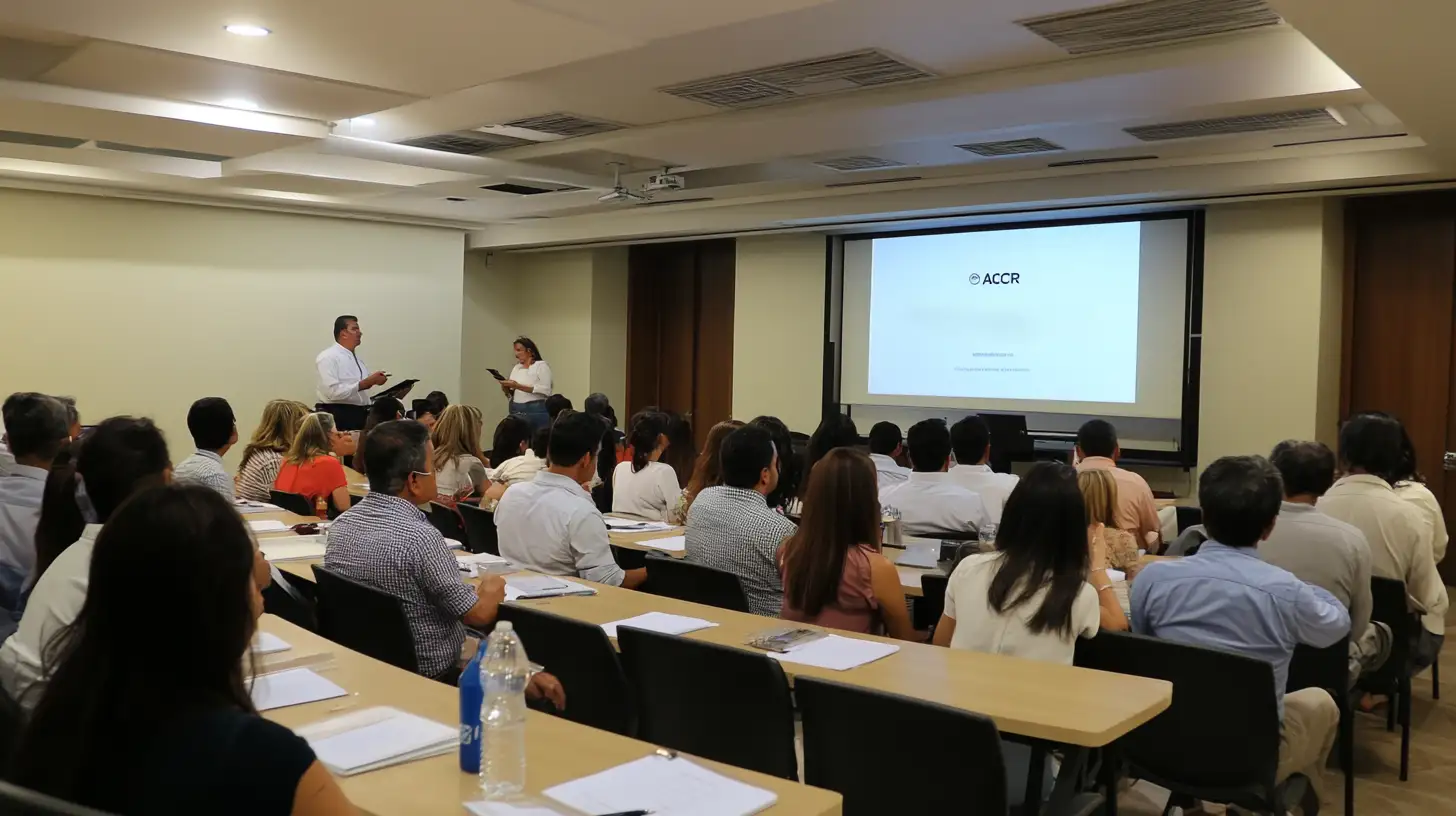
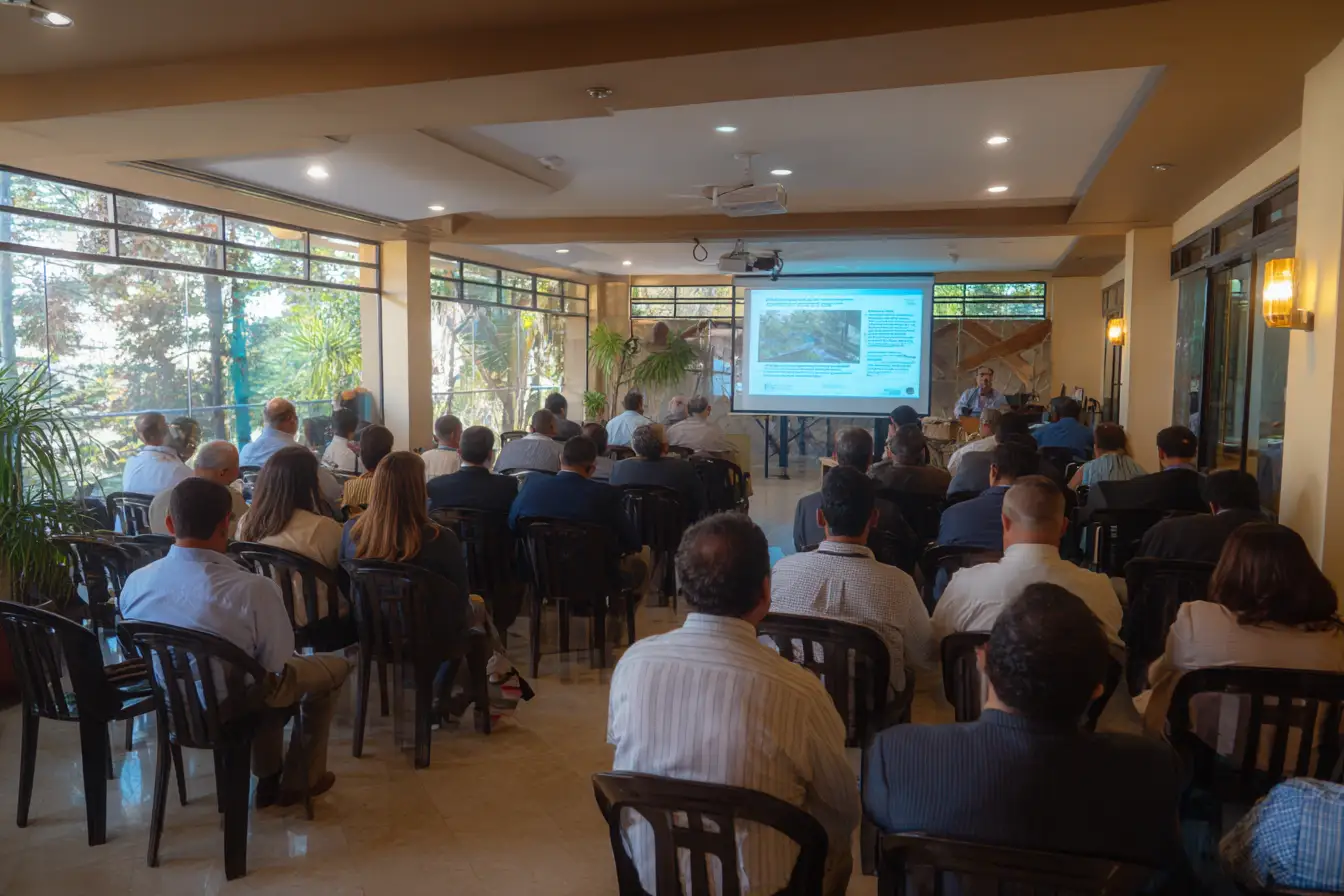
As a Condominium Owners Association of Costa Rica, we want to remind all owners why attending the Assembly of condo owners is essential. Condominium Assemblies may be ordinary or extraordinary, depending on whether they are the mandatory annual meeting or an exceptional meeting when a specific matter warrants it. It is important to untangle several myths that administrations have continued to perpetuate, which are in fact illegal practices. The first of these: the quorum required to make decisions.
When any type of Assembly is called, it only becomes a “formally constituted assembly” and not just a casual “neighbors’ meeting” if a required number of owners attend. That requirement applies to what is called the “first call.” If the required attendance is not met—which is usually the case—the meeting is then held on a “second call” with whoever is present. Up to that point, everything is correct. However, when it comes to making decisions, a different quorum applies. The percentages are not based on a simple majority of those attending, but on at least a majority of the total condominium value, meaning 51% of all co-owners.
To put it simply: if at the first call 15 owners show up and together they represent only 30% of the total condominium value, they cannot form an Assembly—whether ordinary or extraordinary—on the first call. They could do so on the second call. However, if they still don’t represent at least 51% of the total condominium value, the Assembly must be closed. It cannot approve decisions that are valid, enforceable, or legally binding.
The second myth is that “all resolutions are final.” Yes and no. They do become final, but that does not mean they cannot be challenged in court or through arbitration. The competent forum for any challenge is determined by the Condominium Bylaws. If there is an arbitration clause, the dispute must be submitted to the designated Arbitration Center. If not, it must be filed before the competent Civil Court. In either case, the challenge must be brought within 3 months after the Assembly in which the contested resolution was adopted.
With that in mind, the importance of Assemblies is anything but minor. Far from being merely formal meetings, they are where condominium’s priorities are set, key decisions are made, and matters affecting the entire community are resolved. Although some owners believe that their presence makes no difference, considering the percentage of the condominium value attributed to their individual unit compared to the total—or compared to the units still owned by developers who have not yet sold them—the truth is that attending is one of the most effective ways to protect your investment and ensure your voice influences decisions that affect the entire community.
This is especially true when Management attempts to push through agendas and resolutions without meeting the minimum legal quorum we have explained. Sometimes a simple warning that any resolution adopted without the required quorum will be null and illegal is enough for common sense and reason to prevail over other interests. In the end, what good is a resolution that a judge will declare unlawful?
1. Your Voice Helps Shape Community Decisions
The Assembly is where budgets, maintenance plans, administrative reports, building rules, and major projects are discussed and approved. Most importantly, the annual budget is voted on here—and that budget directly determines your monthly condominium fee, which affects your wallet. Don’t be under the illusion that every administration automatically fights for efficiency; some simply follow the same spending patterns year after year, increasing the budget without proper justification. Many costs remain in the budget out of habit, even when they are no longer necessary. Except for inefficiencies, in some cases this may even lead to questionable practices or potential collusion with vendors. This is why it’s essential to review the expenses line by line and verify whether service prices are reasonable, instead of simply accepting the administration’s proposed numbers. If you’re not present, others will decide on these matters for you.
Ideally, regardless of whether the Bylaws explicitly require it, the administration should send all materials to every unit owner at least 15 days in advance, so they can review and study them. What should not happen is expecting owners to just sit there, listen, not ask questions—or, if they do ask, to ignore them or give vague answers just to claim the issue was “discussed” and rush it to a vote.
2. Oversight and Accountability
During an Assembly, an often-overlooked yet fundamental principle becomes clear: the administration is not above the owners. The owners are, in fact, its bosses—its superiors—and the ones who are in charge. Yet, for reasons still hard to understand, many administrations behave as if it were the opposite, assuming power they do not actually have—power that the real owners end up giving away.
Regular participation allows you to review financial statements, question expenses, and assess whether the administration is doing its job properly. Even though any co-owner has the right to request condominium financial information at any time—such as billing notices, payments to vendors, and similar records—during an Assembly, especially the ordinary annual meeting, that supervisory right becomes stronger, and the administration’s obligation to render accounts becomes even greater. This is your opportunity to scrutinize, challenge, and request clarification on anything that seems irregular or poorly handled.
3. Protecting Your Property and Your Rights
Decisions made in the Assembly directly influence the quality of services, common-area upkeep, financial stability, and ultimately the value of your property. Being present helps you prevent decisions that might negatively affect your home or your legal rights.
4. Taking Action When Necessary
If you detect irregularities or believe a specific decision is illegal or harmful to you, attending the Assembly gives you the information and evidence you need to challenge it. Homeowners have the right to file a legal claim against any specific decision approved in the Assembly, as established by the Ley Reguladora de la Propiedad en Condominio (LRPC) No. 7933, which states that every owner may pursue judicial action if they believe their rights have been harmed. Participation ensures you know exactly what was approved and how it may impact you. As noted earlier, when an arbitration clause exists, it displaces judicial proceedings. This does not make the resolutions immune from challenge; it merely shifts the forum from the courts to arbitration.
5. Avoiding Unwanted or Poor Decisions
Low attendance can allow a small group to approve decisions without meeting the quorum required by law to ensure proper representation. By attending, you can verify and warn if the necessary majorities are not present to make decisions, and you can help ensure that resolutions are balanced, lawful, and consistent with the needs of the entire community.
Attending the Asamblea de Condóminos is your opportunity to stay informed, hold the administration accountable, and protect both your property and your rights. Your presence matters, and your participation helps ensure the condominium is managed responsibly and transparently. Speak up and claim the power you hold as an owner—your percentage doesn’t limit your rights!